
gpt-image-2.5-sunburst: Strengths, Misses, When to Use It
gpt-image-2.5-sunburst measured: 16 frames held consistent, legible in-image text, 13–113 s by tier, and when the quality-optimised model is worth the wait.
Last updated: 2026-09-20
gpt-image-2.5-sunburst is the base GPT Image 2.5 model, the one OpenAI calls quality-optimised and positions above gpt-image-2 rather than beside it. It costs exactly what Flare costs per image. What it charges instead is time, and how much time depends entirely on the tier and on how much you put in the prompt: two seconds more than Flare on a simple prompt at low, a minute more at max. This page is about what those seconds buy and when they are worth it.
In numbers
| What we measured | Sunburst | Flare, for reference |
|---|---|---|
Product shot at low / medium / high | 13 / 16 / 35 s | 11 / 10 / 20 s |
Product shot at xhigh / max | 54 / 113 s | 26 / 50 s |
Four high prompts, simplest to busiest | 35 → 47 s | 20 → 25 s |
| Output tokens per image, every tier | identical | identical |
| LM Arena text-to-image, 2026-09-12 | 1421 | 1399 |
| 16-frame character sheet, consistency | held | drifted |
| Cafe portrait: legible in-image text | yes | no |
| Cafe portrait: EXIT sign above the door | missed | correct |
What the extra seconds buy
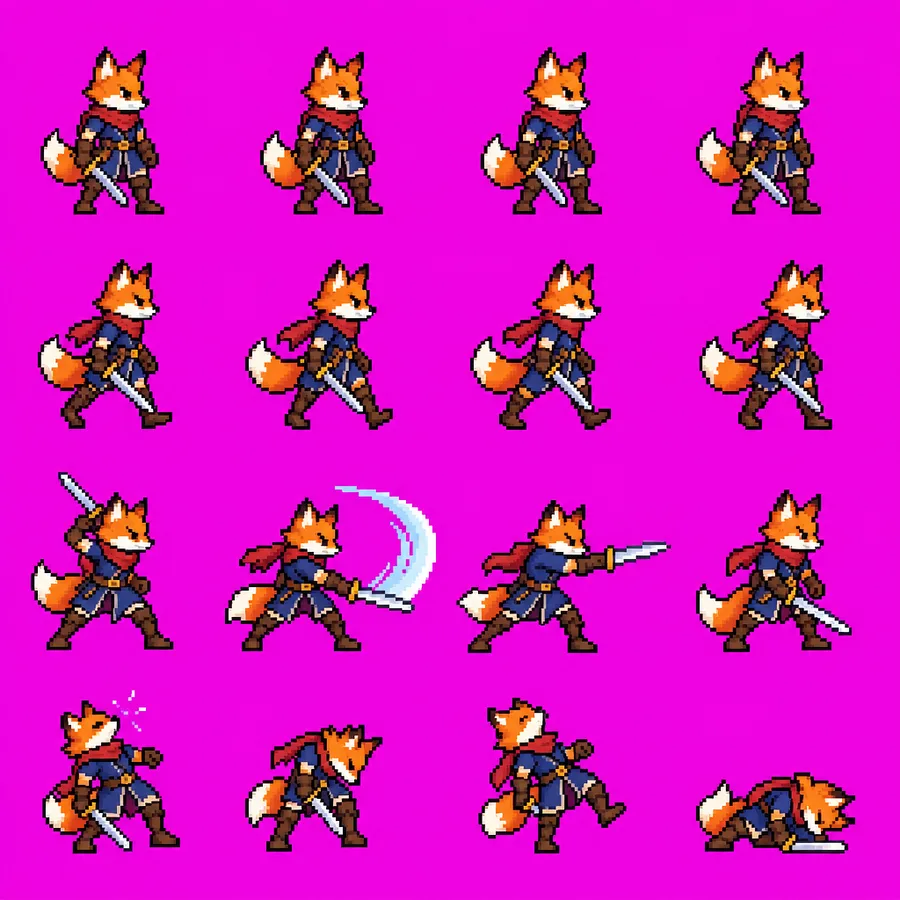
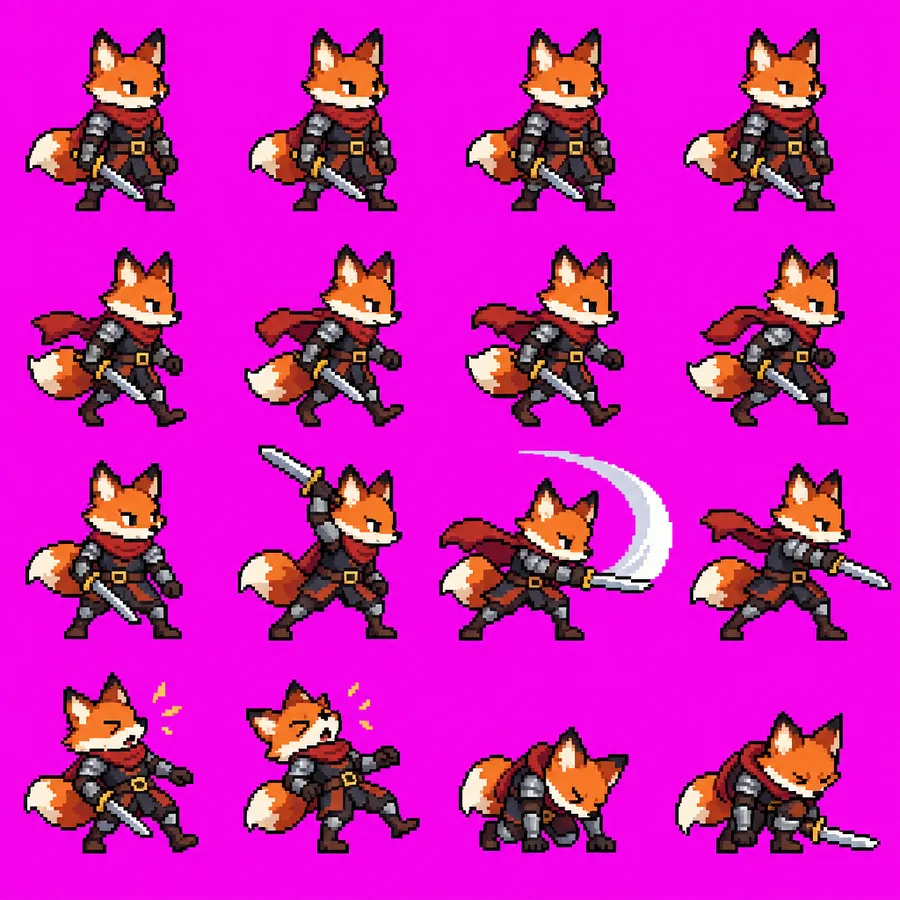
One character, many frames. On a 4×4 combat sprite sheet — sixteen frames of the same fox warrior — Sunburst kept the armour, the cape and the belt buckle identical in every cell. Flare's sword changed colour and the character changed size. Consistency across frames is the whole job in a sprite sheet, a storyboard or a character series, and it was the single clearest difference between the two models in round one.
Text you can read. In our cafe portrait, Sunburst rendered a poster on the wall that reads "GOOD FOOD GOOD PEOPLE"; Flare's wall carried abstract art. Legible in-image text is one of the things people reach for GPT Image 2.5 for, and Sunburst was the model that showed it unprompted. If the image has to carry a label, a headline or a sign, this is your default.
Skin, hair, surfaces. The same portrait had finer skin texture and individual hair strands on Sunburst. Community testers describe the same thing in their own words — better lighting in subtle-expression scenes, more accurate faces and clothing — and while those are opinions rather than measurements, they point the same way our images do.
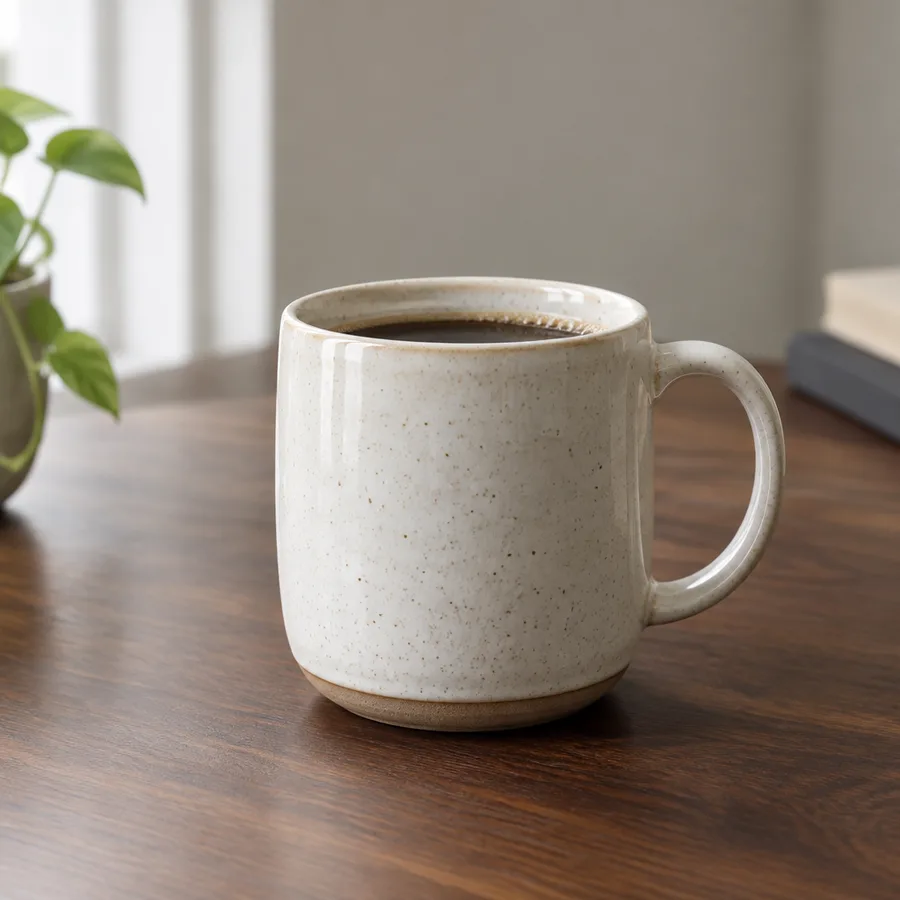
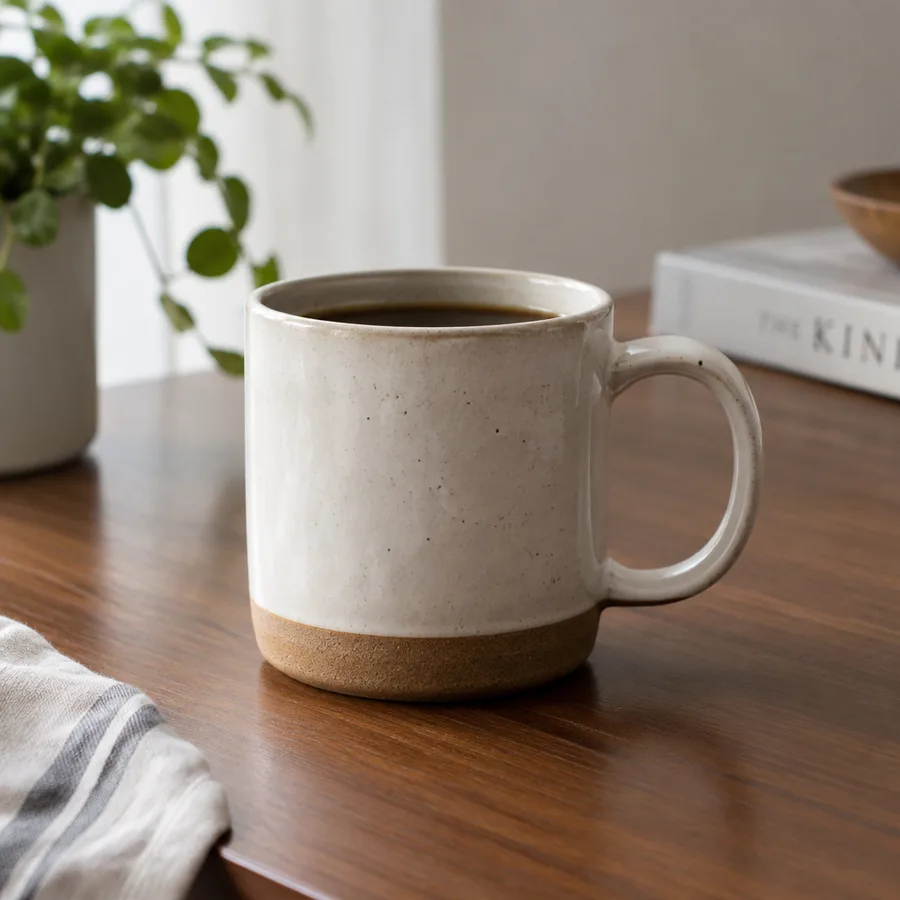
Complex scenes. Sunburst's generation time grew with the prompt — 35 s for a single mug, 44 s for a bookshop interior, 47 s for the sprite sheet — while Flare's stayed flat. We can only see the timings, not the reason, but the practical reading is that Sunburst spends more on a busy brief, and OpenAI's own guidance is to start with Sunburst when gpt-image-2 was not enough for a complex scene.
What the extra seconds do not buy
Scene logic, automatically. The most famous tell from Reddit's realism thread is an EXIT sign that is not centred over its door. Our portrait prompt asked for one directly above a doorway. Sunburst placed it beside the door; Flare placed it correctly. Neither model spaced the pendant bulbs evenly, either. "Quality-optimised" is a tendency across an image, not a guarantee on any one check, so run the six-point checklist on Sunburst output the same as on Flare's.
A uniform grid. Both models ignored "uniform cell size, even spacing" on the sprite sheet. Sunburst's frames are consistent; they are still not sliceable by dividing the width by four.
A big leaderboard margin. LM Arena on 2026-09-12: Sunburst 1421, Flare 1399. Twenty-two points is a real gap and a modest one; for scale, Flare's own lead over gpt-image-2 is 18 points.
The tier changes the answer
This is the part most comparisons miss. Sunburst's cost in time is not one number:
| Quality | Sunburst | Flare | Extra wait for Sunburst |
|---|---|---|---|
low | 13 s | 11 s | +2 s |
medium | 16 s | 10 s | +6 s |
high | 35 s | 20 s | +15 s |
xhigh | 54 s | 26 s | +28 s |
max | 113 s | 50 s | +63 s |
At low and medium Sunburst is close to free: the same bill, a few seconds more, and the better consistency and text. At max it is a minute per image. If your product runs the lower tiers, the question is not "why Sunburst" but "why not". Full method and caveats on the speed page.
When to choose Sunburst
- You run
lowormedium. The extra wait is seconds and the price is identical. - A character, product or outfit must stay consistent across frames, scenes or a series. Make the reference on Sunburst even if Flare runs the scenes (workflow).
- The image carries text that must be legible.
- The brief is dense: many elements, relationships between them, a close-up face.
gpt-image-2was not good enough for the job. OpenAI's guidance: start with Sunburst, get it acceptable, then try Flare on the same prompt and switch only if it still passes.
When not to
xhighormaxinside an interactive flow where someone watches a spinner: 28–63 s longer than Flare per image.- Bulk iteration where you will discard most outputs. Generate candidates on Flare and finish on Sunburst.
- Anything where you have not yet checked whether Flare is already good enough. Same prompt, both models, at the same explicit tier.
How to use it
- Model string:
gpt-image-2.5-sunburst, same parameters as Flare — prompt,size,quality,background,output_format. - Set
qualityexplicitly. Underautothe model decides its own effort level and your timing and cost stop being comparable. - For in-image text, put the words in quotes and give them a position and a typeface; add "no other text" so it does not invent more.
- For edits, write the one change and then the list of what must stay. Sunburst still alters unspecified details across repeated edits, as any model does.
- Leave
input_fidelityout; it is a GPT Image 1/1.5 parameter (the migration guide has the full list of changes).
Run it on your own prompt in the studio and compare the seconds and tokens against Flare on the same tier.
FAQ
Is Sunburst worth the wait?
At low and medium, almost always: the wait is 2–6 s. At high and above, when the job needs consistency, text or fine detail. For fast iteration at high tiers, no.
Is Sunburst better than Flare at everything? No. It missed the EXIT-sign placement Flare got right, and both models failed the even-spacing checks. It won on consistency, text and detail.
Does Sunburst cost more? No: identical token prices and identical token counts per image in every one of our runs. See the cost page.
Does a complex prompt make Sunburst slower?
In our runs, yes: 35 s to 47 s across four high prompts, where Flare stayed at 20–25 s.
Sources
- OpenAI Devs launch post — positioning
- OpenAI image prompting guide — model-choice guidance, text and edit prompting
- LM Arena scores via Hacker News
- Reddit prompt guide thread — community opinions on faces, clothing, lighting
- Our runs: 2026-09-12, 1024×1024, one run per cell; all images unedited